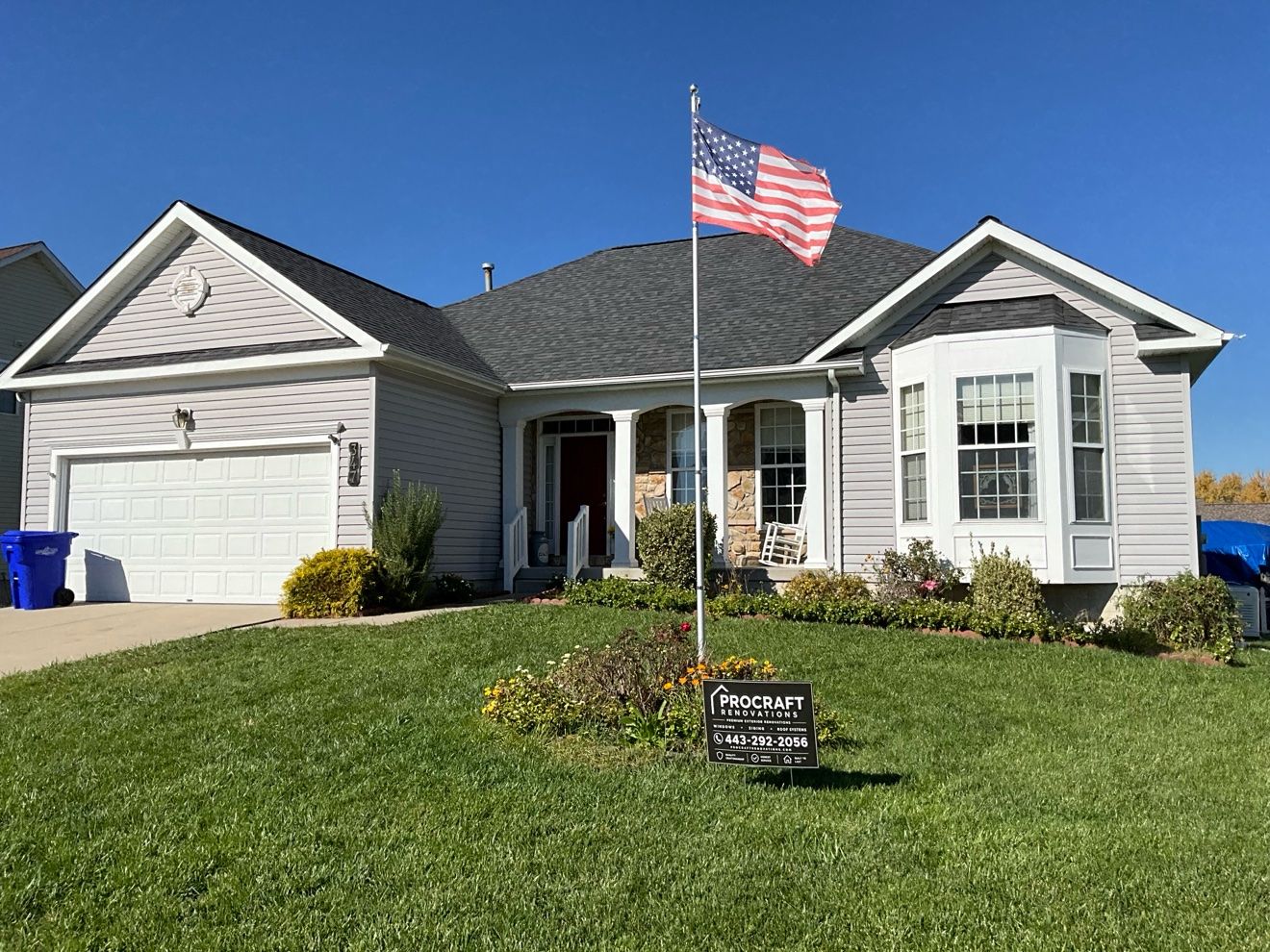
After a Delaware storm, the most valuable thing you can own is documentation: dated photos of what the storm did to your roof, taken while the evidence is fresh. Start with a free storm inspection.
Walk the property and photograph the roof from every side. Missing shingles, lifted edges, and debris patterns tell the storm story while it is still where the wind left it.
Check the downspouts and yard
Granule piles at downspout exits and shingle fragments in the yard are evidence. Photograph them before cleanup.
Look inside
Ceiling stains, attic moisture, and drips during the next rain all matter. Photograph them with dates.
Write down the date and time
Storm documentation is strongest when every photo ties to the event. Note when the storm hit and when each photo was taken.
Why roof level matters
Hail damage hides from the ground
Hail bruises the shingle mat and knocks the protective granule surface loose in patterns that rarely read from a driveway. Wind lifts and creases tabs that settle back down and look fine by the weekend. A roof-level inspection is how that damage gets found and documented: every slope walked, hits and creases photographed up close, flashing and ventilation checked, and attic signs reviewed where accessible.
What you receive is a dated photo record and a written condition report. If the roof is sound, the report says so. If the damage calls for a full replacement, you receive a written estimate for the Florida-code system, and documentation you can hand to your insurer for the coverage conversation. We document the roof. Your insurer decides coverage.
Your roof or windows are documented with photos, measurements, and notes on condition, so the estimate is built on what is actually there.
2
Written Estimate
You receive the scope and the overall investment in writing, with product options explained in plain language before you decide anything.
3
Production
The approved work is performed under the written scope, with the site protected and debris removed as the work proceeds.
4
Final Walkthrough
The completed work is reviewed with you, and any open items are written down before the job is closed.
Questions
Storm questions, answered
What should I document after a storm?
Start from the ground. Photograph every slope you can see, missing or lifted shingles, debris in the yard, granules at the downspouts, and any water marks on ceilings inside. Date everything. Then schedule an inspection so the roof surface itself is documented by someone trained to read it.
Can hail damage a roof without leaving obvious marks?
Yes. Hail can bruise the shingle mat and knock granules loose in patterns that are hard to see from the ground and easy to miss on a quick look. A roof-level inspection with dated photos is how that damage gets documented while it is fresh.
Should I call my insurer first or get an inspection first?
An inspection first gives you dated photos and a written condition report to bring to the conversation. We document the roof honestly, including when the roof is fine. Your insurer decides coverage.
What does the storm inspection include?
A roof-level review of every slope, flashing points, and ventilation, attic signs where accessible, and dated photo findings with a written estimate for a full replacement when the damage calls for one.
Does ProCraft handle the claim for me?
No. We inspect, document, and replace roofs. The claim conversation belongs to you and your insurer, and our documentation is built to make that conversation easier to have.
How fast should I act after a storm?
Document from the ground right away, while debris and marks are where the storm left them. Then book the inspection. Fresh documentation is stronger documentation.